
Bothell Drywall Repair and Rebuild After Water Damage

A wall that looks dry may need more than a patch. Bothell drywall repair after water damage can involve reconstruction if damaged drywall or other affected materials must be removed and rebuilt. A small repair, by contrast, is limited to material that is sound and dry.
It’s reasonable to wonder whether reconstruction means bringing in another contractor. The answer depends on the scope: after cleanup and drying, reconstruction can restore the affected area with repaired drywall, texture, paint, and finishes. This guide explains the difference between repair and reconstruction, what may call for broader rebuilding, and how to approach finish matching during Bothell drywall repair after water damage.
DK Production Restoration provides water mitigation, restoration, and reconstruction for residential water damage. Knowing how these steps fit together can make the process from damaged wall to finished room easier to navigate, especially when planning Bothell drywall repair after water damage.
Table of Contents
Is a second contractor needed for the rebuild?
Not always. One company may handle both mitigation and reconstruction, while work outside the drywall scope may involve other specialists. The key question is whether damage is limited to the wallboard or extends to framing, flooring, cabinets, or other materials.
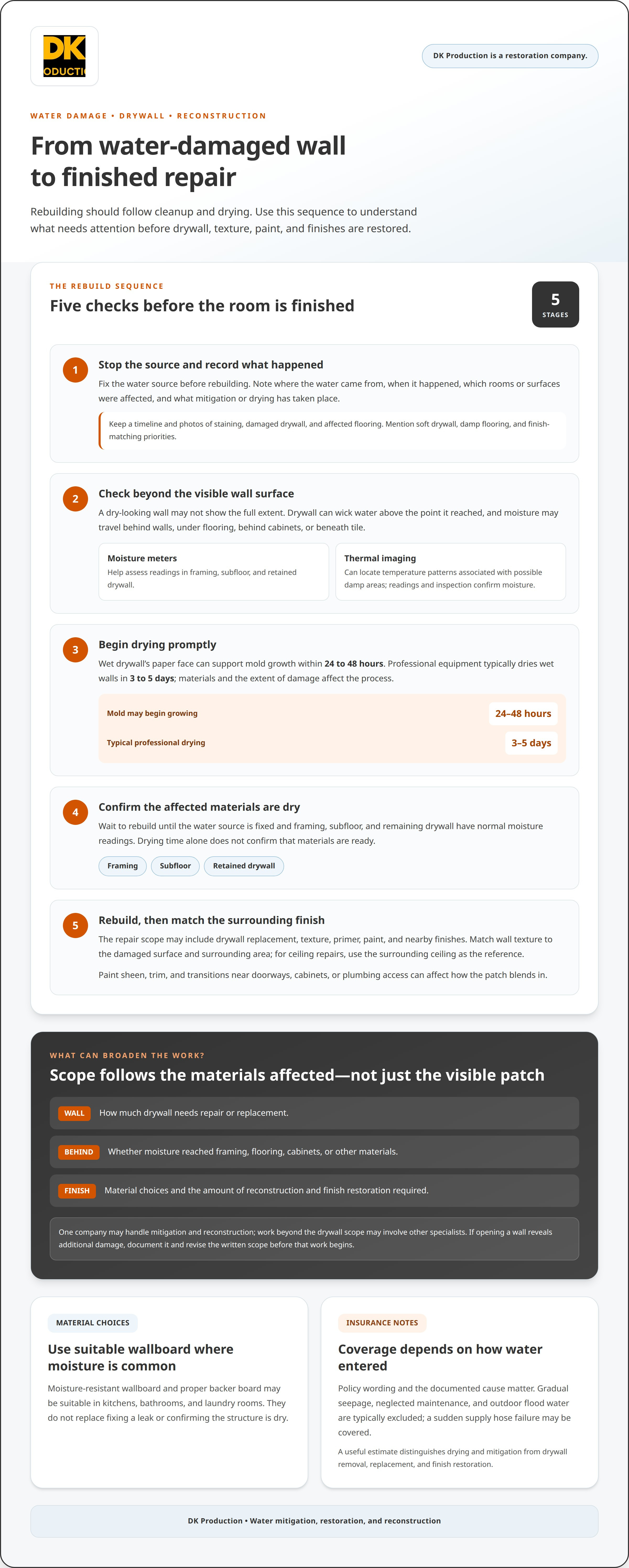
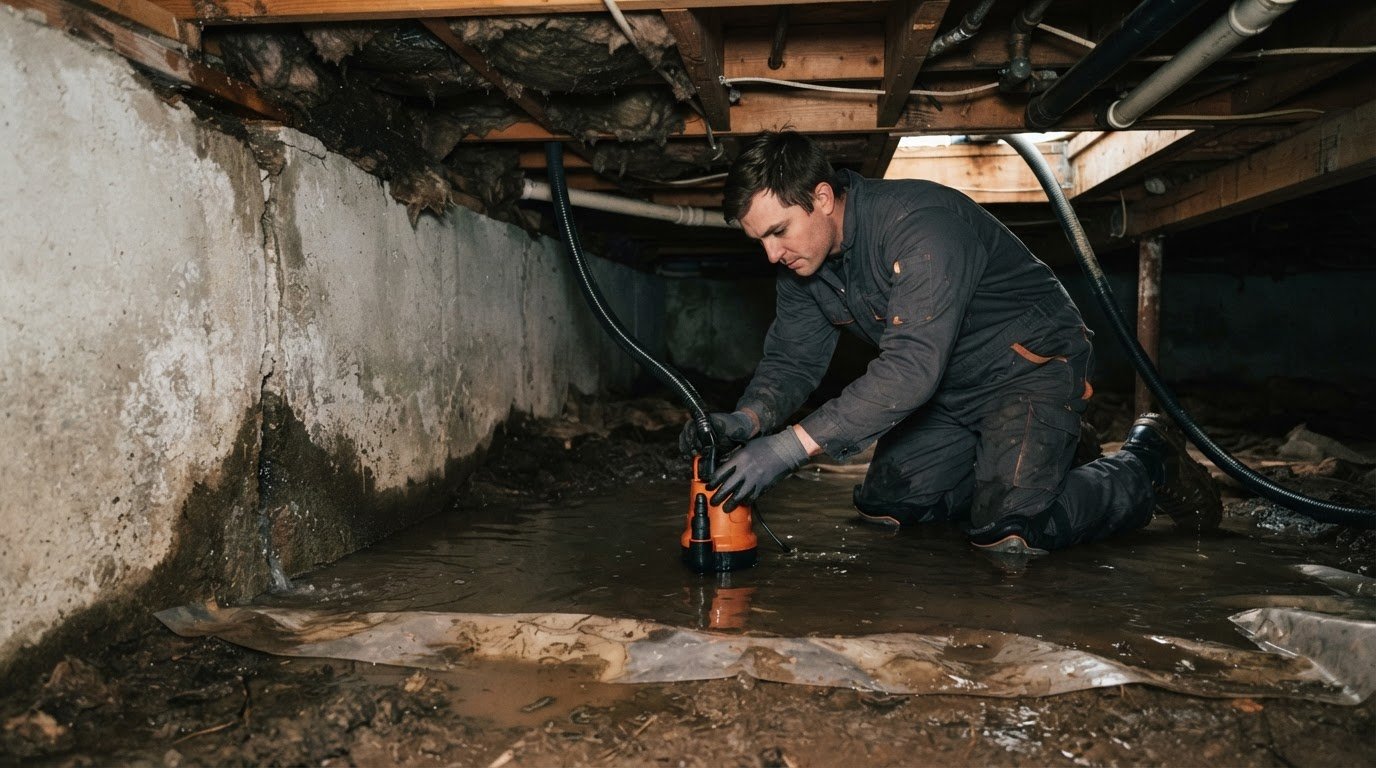
Hidden moisture can change the scope. Drywall can wick water above the point it directly reached, and water may also travel behind walls, under flooring, behind cabinets, or beneath tile. A dry-looking surface alone doesn’t reveal the full extent. For example, a kitchen leak may affect both the wall and the flooring beneath the cabinets.
Before rebuilding, the affected area needs to be dry and the water source fixed. Moisture meters help assess readings in framing, subfloor, and retained drywall. Thermal imaging can help locate temperature patterns associated with possible damp areas, but readings and inspection are needed to confirm moisture. Rebuilding should wait until the framing, subfloor, and remaining drywall have normal moisture readings. Professional equipment typically dries wet walls in 3 to 5 days, though the materials and extent of the damage affect the process.
Preventing moisture problems during repairs starts with addressing the cause, not covering a visible stain. Don’t paint or patch over a stain before fixing its source. In kitchens, bathrooms, and laundry rooms, moisture-resistant wallboard and proper backer board are suitable material choices. They don’t replace fixing a leak or confirming that the structure is dry.
What affects the cost of drywall repair after a leak or flood? Project scope depends on how much drywall needs repair or replacement, whether moisture reached framing or flooring, and whether cabinets or other finishes are affected. Material choices and the extent of reconstruction also shape the work involved.
What should homeowners tell a drywall repair contractor before work begins? Explain where the water came from, when it happened, which rooms or surfaces were affected, and what mitigation or drying has taken place. Mention staining, soft drywall, or damp flooring, and describe any finish-matching priorities.
These details help plan the assessment and identify areas that need closer attention. If opening a wall reveals more damage, document the condition and revise the written scope before beginning the additional work. This keeps the rebuild tied to what is actually found behind the finished surface, not just the visible patch.
Need Wall and Drywall Water Damage Help?
Homeowners insurance coverage depends on how water entered the home. A standard policy typically excludes gradual seepage, neglected maintenance, and outdoor flood water, while a sudden supply hose failure may be covered. Policy wording and the documented cause matter, so distinguish a sudden leak from ongoing moisture when describing the damage.
A useful claim scope connects the cause, affected areas, and proposed work. The estimate should distinguish drying and mitigation from drywall removal, replacement, and finish restoration. If opening a wall reveals more damage, document the findings and revise the written scope before starting that work. This record helps align the repair plan with conditions behind the surface.
For insurance coordination, keep a timeline of when the leak began, when it was discovered, and which areas became wet. Photos of staining, damaged drywall, and affected flooring can support the record. Include mitigation and drying details, then compare the estimate with the observed damage. Document electrical concerns as part of the affected area rather than burying them in a general drywall line.
How quickly should drywall be dried after water damage to prevent mold? Start drying promptly because mold can begin growing on wet drywall’s paper face within 24 to 48 hours. Professional equipment typically dries wet walls in 3 to 5 days, with moisture readings guiding when rebuilding can begin.
Compare reviews, warranties, and emergency service using specific details rather than broad promises. Look for reviews that describe communication and completed repairs, read the stated warranty coverage, and assess emergency availability and response details based on your needs.
Before work starts, review the contractor’s insurance documentation and credentials, and clarify who handles each part of the scope. A written estimate should identify affected rooms, drying, drywall work, and finish restoration. If a wet wall beside electrical fixtures is a concern, make sure it appears in the damage record and repair plan.
Water mitigation and reconstruction address different stages, so the scope should show how drying connects to rebuilding. A clear sequence helps prevent finishing work from starting before the affected area is ready. For a coordinated view of water mitigation and repair planning, use the project details to guide the next steps.
Matching drywall texture, paint, and existing finishes
A seamless repair depends on more than fitting new drywall. Texture, primer, paint, and nearby finishes all affect the final appearance.
Matching Wall and Ceiling Texture
Wall and ceiling textures can differ, even in the same room. The damaged surface and nearby finish provide a reference before new joint compound is applied. Matching the pattern and density helps the repair blend in instead of leaving a smooth patch against a textured wall. For a ceiling repair, match the surrounding ceiling, not the wall below.
Blending Existing Finishes
Existing finishes include paint sheen, trim, and transitions around the repair. A patch beside a doorway, cabinet, or plumbing access may need careful edge work to avoid an abrupt change. The result depends on matching the adjacent surface and defining whether priming and painting are included in the written estimate.
Drywall work typically follows a clear sequence: damaged material is cut back, new board is fitted where needed, seams are taped, and joint compound is applied. After sanding, the surface is primed and painted. Each step prepares the next. Uneven sanding, for example, can leave ridges visible beneath paint, while missed primer can make the repaired area absorb paint differently.
Paint matching takes more than naming a color. Existing paint can change with age, light, and repeated cleaning, so a fresh coat may stand out even when the color name seems right. The surrounding finish helps determine how far painting should extend. Clarify whether the estimate includes primer and paint, and how the texture and existing finish will be matched.
Scope matters when water damage reaches beyond drywall. A kitchen repair may involve wallboard near cabinets, tile, or plumbing, while a ceiling repair may require matching a different paint and texture. The work plan should distinguish drywall finishing from repairs to other materials and state which surfaces will be restored.
Before approving the scope, look for specific finish details: texture type, priming, paint coverage, and transitions at corners or trim. A contractor may describe experience or use the word “certified,” but that label alone doesn’t explain how the surface will be finished. Clear written details help you understand what the repair includes and how the new work will meet the existing room.
Bothell-area drywall repair service
For Bothell homeowners, the right repair depends on the drywall’s condition and how far the water reached. A small hole in solid, dry board can be patched. Soft, swollen, stained, crumbling, or moldy drywall usually needs replacement rather than a cosmetic cover-up.
How much does drywall replacement cost per square foot in the Seattle area? Pricing depends on the project and is provided after a quote request. The estimate reflects the damaged area, whether drywall must be removed or replaced, and any affected flooring, cabinets, or other finishes.
Water damage repair follows a sequence, not just a drywall patch. Address the source of water, prepare affected materials, and establish the repair scope before finishing work. If clean water affected firm drywall, drying it in place may be possible. Soft, crumbling, moldy, or dirty-water-soaked board is removed using a flood cut.
That distinction matters in a Bothell kitchen, where a leak may affect drywall alongside cabinets, countertops, tile, flooring, and trim. Visible wall damage may be only one part of the restoration. Flooring may need repair, replacement, or rebuilding depending on how far moisture traveled underneath. A complete written scope should identify the surfaces included.
Patch: Small holes or cracks can generally be patched when the surrounding drywall is solid and dry.
Replace: Damaged sections are cut back, new board is fitted where needed, and seams are taped and finished.
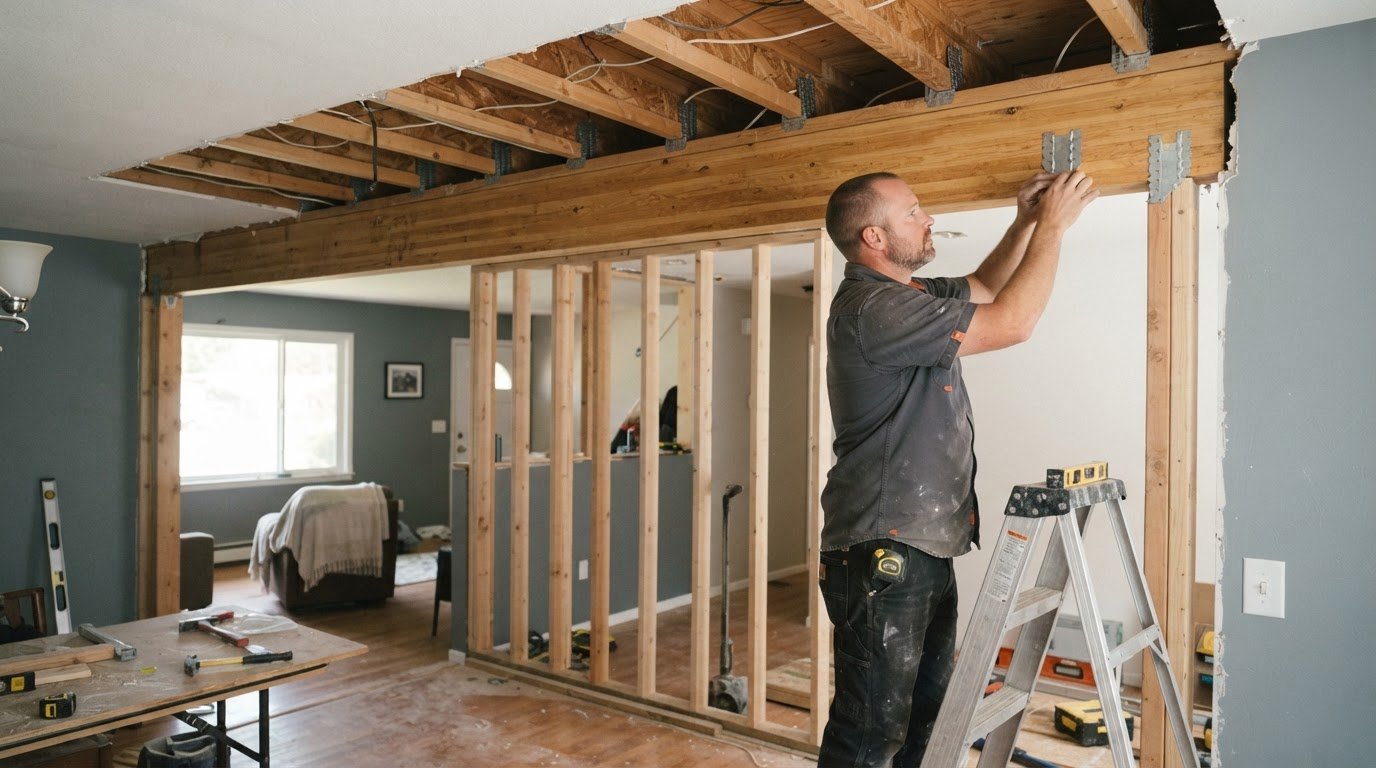
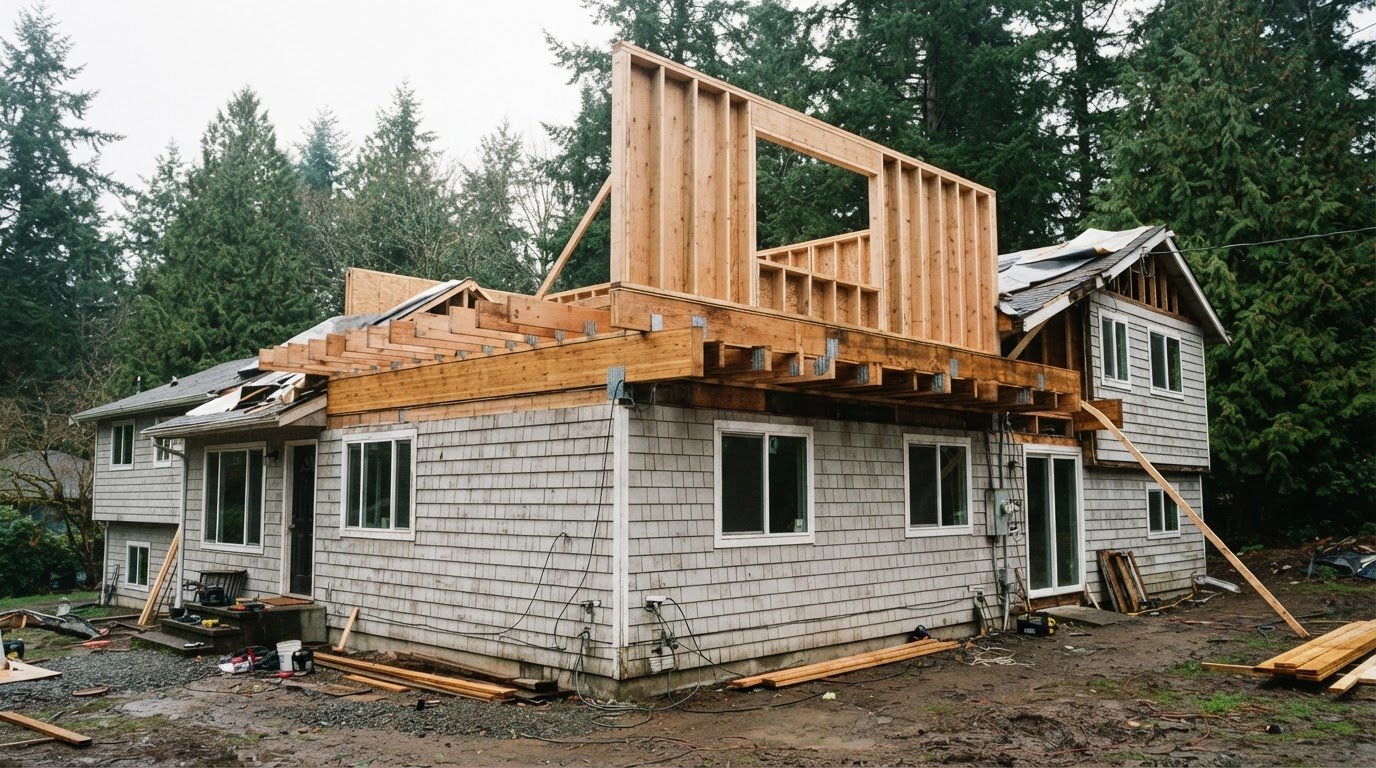
Rebuild: Broader room damage may involve other materials, such as cabinets, flooring, or tile.
Timing depends on drying and the extent of reconstruction. Bothell repairs involving a kitchen, flooring, and cabinets commonly take several weeks, largely because of material lead times. Repairs can usually begin 3 to 5 days after drying starts, once moisture readings confirm the structure is dry. A project that only needs a small patch has a different scope from a room rebuild.
Permits depend on Bothell’s local rules and the scope of work. Plumbing, electrical, or structural work inside walls is more likely to require one. Before drywall work begins, confirm permit requirements with the City of Bothell. Including permit-related work in the project plan helps keep the repair sequence clear.
For a practical next step, organize the repair around the affected room, materials, and documented scope. Plan your water damage restoration with the full repair in view, especially when drywall damage connects to flooring or cabinets.
DK Production Restoration: Water damage
DK Production helps homeowners move from water mitigation to restoration and reconstruction. Turn to the team when water damage has affected drywall and you need a repair plan that considers the full scope, not just the visible surface.
A damaged wall may need drywall replacement after affected materials are addressed, while a larger loss may call for reconstruction as part of restoring the home. The appropriate work depends on the damage and areas involved. Information about where water entered, which rooms were affected, and any completed drying helps establish the next steps.
If water damage has left your Bothell home needing drywall repair or rebuilding, contact DK Production Restoration to discuss the restoration work.
Move Your Home Toward a Finished Repair
The next step is to turn the damage assessment into a clear plan for restoring the room for everyday use. Identify the details that matter most, such as a consistent wall appearance, coordinated trim, or returning the room to its previous function. Sharing these priorities early keeps the desired outcome in view as the repair plan takes shape.
For Bothell drywall repair after water damage, start by describing the result you want, not just the damaged section. Explain how the room is used and which adjacent finishes you hope to preserve. That context helps shape a repair plan around your home rather than treating the wall as an isolated patch.
Taking the next step doesn’t require having every detail settled. A discussion can help clarify the path from damage to a restored space and identify what the project needs to address. Contact DK Production Restoration today to discuss your home’s repair needs and move toward a more comfortable, complete finish.
Frequently Asked Questions
Is water damage reconstruction different from water damage repair?
Yes. Repair addresses specific damaged materials, such as replacing and refinishing drywall in one area. Reconstruction restores a wider part of the home when water affects multiple materials or rooms. For example, damage to drywall, cabinets, and flooring may call for a broader rebuild. For Bothell drywall repair after water damage, the scope depends on the assessment and which parts of the home need restoration.
Dry It or Replace It?
Drying in place may work if the water was clean and the drywall remains firm. Replacement is generally appropriate when the board is soft, crumbling, moldy, or soaked with dirty water. A small hole or crack can be patched if the surrounding drywall is solid and dry. The material’s condition, water source, and extent of damage help determine the right approach.
How soon after drying can repairs start?
Repairs can usually begin 3 to 5 days after drying starts, once moisture readings confirm the structure is dry. The calendar alone doesn’t establish readiness. A contractor should assess the affected framing and materials that will remain before installing new drywall. If readings show lingering moisture, finishing the wall too soon could conceal a damp area instead of resolving the underlying problem.
Need Help Now?
DK Production Restoration is a restoration company offering emergency water damage restoration, with service listed as available 24/7/365. Its site states on-site arrival in 60 minutes or less across the Seattle metro and lists 206‑941‑3725 for emergency calls. Homeowners needing Bothell drywall repair after water damage can also find service coverage listed for Bothell and communities including Mukilteo, Marysville, Lake Stevens, Snohomish, Lynnwood, and Arlington.
What if you find more damage once walls are opened?
If opening a wall reveals more damage, document the newly exposed conditions and update the written scope before starting the additional work. A repair initially limited to drywall, for example, may uncover damage to framing or nearby flooring. A revised scope records what the new findings require and clarifies the added work for everyone involved.
Will my repair job require a permit?
Permit requirements in Bothell depend on local rules and the work’s scope. A drywall-only repair may differ from work involving plumbing, electrical, or structural components inside a wall, where permits are more likely. Before work begins, confirm requirements with the City of Bothell for the planned scope. Identifying permit needs early helps keep the project organized.
Comments